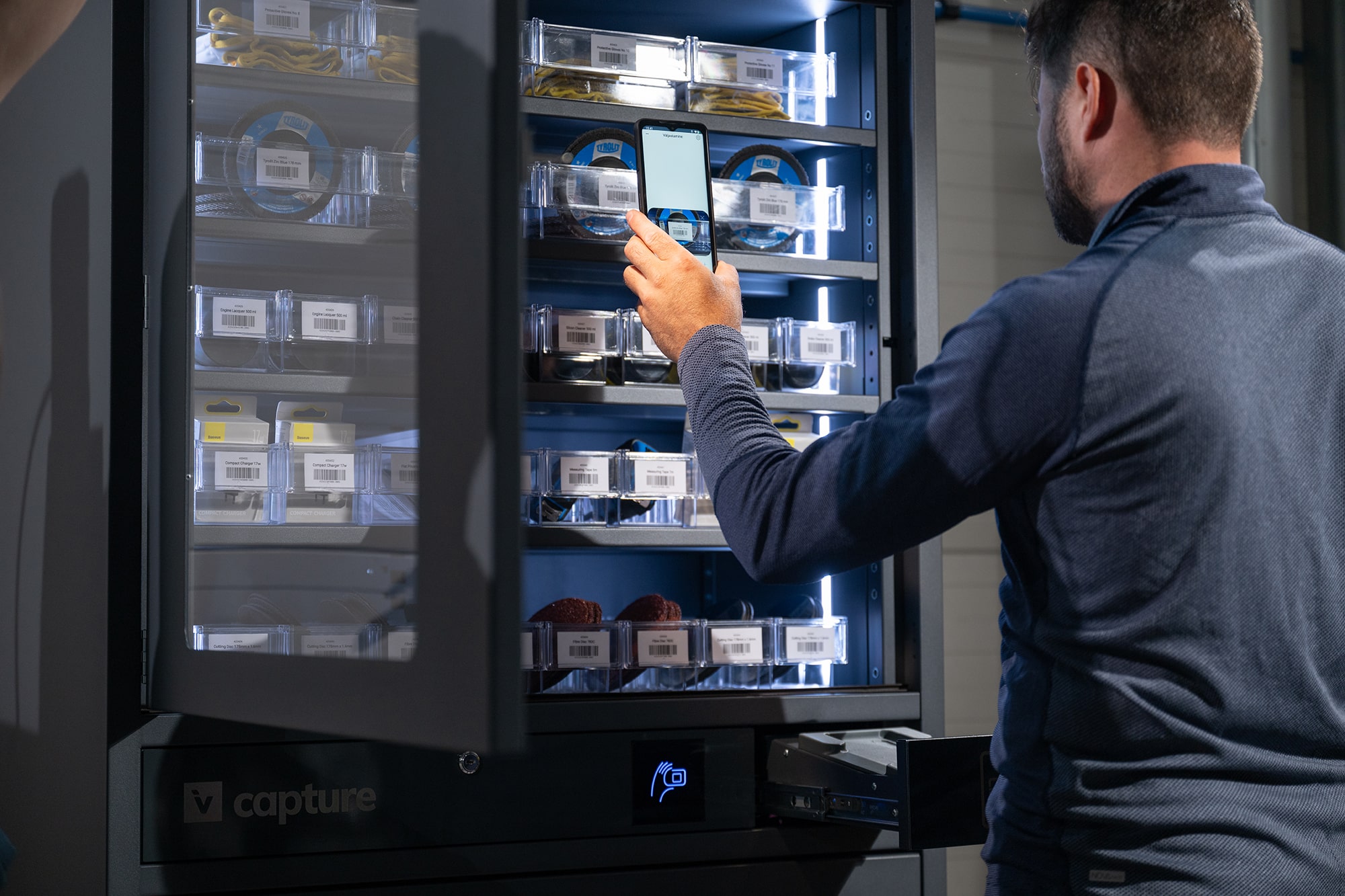
Vendor Managed Inventory (VMI) is a supply chain strategy where the supplier or distributor takes responsibility for managing inventory levels at the customer’s locations. This includes tracking, replenishing, and optimizing stock to ensure availability while minimizing excess.
VMI is often misconceived as a dream for the customer but a nightmare for the distributor. Indeed, in VMI, the distributor must manage inventory not only in central and regional warehouses but also monitor and sometimes even finance inventory stock at clients’ locations. And the number of different locations can be in hundreds or even thousands. However, this view overlooks the substantial benefits that a well-managed VMI system can offer to both parties.
Mutual Benefits of Efficiency:
A well-implemented VMI system ensures that inventory levels are optimized across the board. This reduces the risk of stock-outs for customers. It also lowers distributors’ holding costs by aligning inventory with actual demand. Holding some inventory at places of consumption serves as additional protective buffer against local fluctuations in demand and enables central warehouses and replenishment centers to maintain lower stock levels. This results in faster total inventory turns and more free cash to support business growth for both sides of the supply chain.
Enhanced Customer Relationships with VMI Strategy:
VMI fosters a deeper partnership between distributor and customer by shifting the focus from mere transactions to collaborative supply chain success. This often leads to higher customer satisfaction and loyalty, as the distributor actively contributes to the smooth operation of the customer’s business.
Streamlined Operations:
For distributors, the nightmare of managing complex inventories can be mitigated through robust replenishment algorithms inherent in some VMI systems. Invendor’s More-or-Less algorithm is a good example of this management tools. These tools help in maintaining the right stock at the right time, reducing both overstock and the costs associated with urgent replenishments.
Increased Sales and Revenue with VMI:
By managing inventory more effectively, distributors can avoid the common pitfall of over or under-stocking. Well-managed inventory boosts sales by ensuring product availability, fostering customer trust, and strengthening customer loyalty. The benefits created by smooth VMI services for the customers creates opportunities for increasing the product diversity through cross-sales. Clients start to propose including new products to VMI portfolio. This effect can be as large as 30 per cent increase in product mix.
Data-Driven Decisions:
VMI provides distributors with valuable data about sales trends and customer behavior. This data is crucial for making informed decisions about inventory levels, future product offerings, and other strategic decisions.
In conclusion, when inventory flow is properly managed not just at the customer’s site but also in the distributor’s central warehouse and distribution centers, VMI can transform from a perceived nightmare into a significant strategic advantage. By optimizing the supply chain process, both distributors and customers can achieve better operational efficiency and business success.
Are you looking for implementing a VMI solution? Reach out: info@invendor.com
For the latest updates, follow us on LinkedIn as well.